37 Magnetometers
from
18 Manufacturers
37 Products
from
18 Manufacturers
Page 1 of 2
What is a Magnetometer?
A magnetometer is a spacecraft sensor used to measure the local magnetic field vector with high precision. In satellite systems, magnetometers support attitude determination and control by providing magnetic field data that can be correlated with onboard geomagnetic models, enabling estimation of spacecraft orientation. They are also used for scientific payloads to characterize planetary magnetic environments, space weather interactions, and electromagnetic disturbances generated by the spacecraft itself.
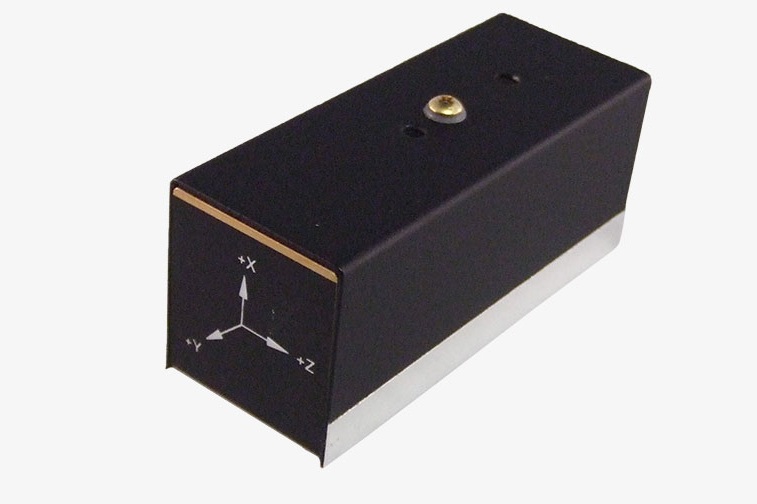
Space-qualified magnetometers are designed to operate reliably in vacuum, radiation, and thermal cycling conditions while maintaining stable measurement performance over mission life. Engineering considerations include sensor technology selection, mechanical and magnetic cleanliness integration, electrical interfacing with onboard data handling units, and calibration stability. Placement on booms or isolated structures is often required to minimize interference from spacecraft-generated magnetic fields.
Key specifications of magnetometer -
- Satellite Type: Defines the class of spacecraft for which the magnetometer is intended, influencing environmental assumptions, integration constraints, and qualification standards.
- Mass: Represents the physical mass of the magnetometer unit, impacting spacecraft mass budgeting, structural integration, and deployment mechanisms.
- Type of Magnetometer: Indicates the sensing technology used to measure magnetic fields, which determines measurement principles, stability characteristics, and susceptibility to noise and drift.
- Mass: Specifies the contribution of the magnetometer to the overall payload mass, affecting launch constraints and system-level trade-offs.
- Accuracy: Describes how closely the measured magnetic field corresponds to the true field value, directly influencing attitude determination precision and scientific data quality.
- Sensitivity: Defines the smallest change in magnetic field that the instrument can reliably detect, which is critical for resolving weak field variations.
- Linearity: Indicates how proportional the output signal is to the input magnetic field over the operating range, affecting calibration complexity and data interpretation.
- Frequency Response: Specifies the range of magnetic field variation rates the magnetometer can accurately track, relevant for dynamic maneuvers and time-varying field measurements.
- Radiation Tolerance: Describes the ability of the magnetometer electronics and sensors to withstand cumulative and transient radiation effects without performance degradation.
- Supply Voltage: Defines the electrical input requirements for powering the magnetometer, impacting power system compatibility and regulation design.
- Power Consumption: Represents the electrical power drawn during operation, influencing spacecraft power budgets and thermal management.
- Space Heritage: Indicates prior flight usage of the magnetometer design or technology, providing confidence in reliability and in-orbit performance.
- Interface: Specifies the electrical and data communication interface used to connect the magnetometer to the spacecraft avionics, affecting integration and software design.
The Largest Database of Magnetometer
SatNow has listed Magnetometer from the leading manufacturers and made them searchable by specification. You can enter the key parameters and the search tool will scan catalogs from the leading manufacturers to identify products that meet your spec. Once you find Magnetometer that meet your requirement, you can view product information, download datasheets or request quotations. Quotation requests will be routed to the manufacturer of the product who will get back to you directly. The quotation will also be routed to distributors of the product in your region.
